
ADRx3 White Papers

The On-Demand B2B Ombuds
9/30/2026
Multi-year collaborations and high-stakes commercial agreements do not fail because of legal ambiguity; they fail because operational friction goes unaddressed until positions harden. Closing the dispute gap requires moving dispute resolution upstream. By combining the speed of AI contract synthesis with seasoned executive, legal, and technical dispute expertise, organizations can establish a dormant, cost-effective safe harbor that protects institutional capital, maintains delivery velocity, and preserves crucial business relationships long before a formal breach is ever declared.
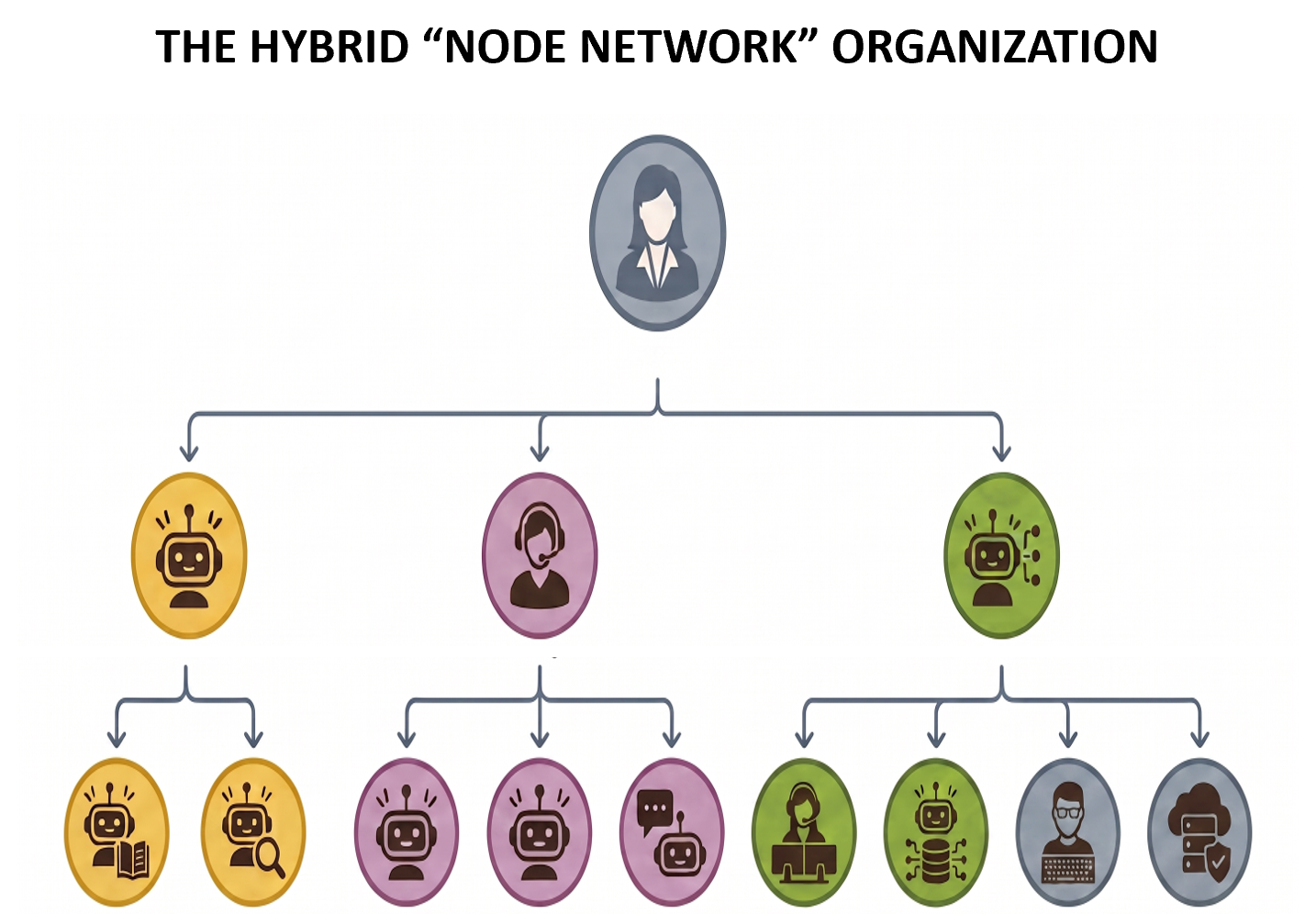
The Human Layer of AI
The enterprises that realize the true return on their AI investment will not be those that deploy the most algorithms. They will be the organizations whose workforce trusts the culture enough to build alongside them. Implementing an outsourced organizational ombuds provides the designated, confidential, and independent architecture necessary to preserve organizational trust, de-escalate internal resistance, and protect enterprise value during rapid technical change.

The Cost of Corporate Silence
The most dangerous threat to an organization isn’t overt, loud conflict. It is the quiet, systemic withdrawal of employee voice. When employees believe their perspectives carry no weight, they don’t push back; they step back. Unaddressed workplace friction acts as an invisible tax on enterprise performance.

The Executive’s Guide to Psychological Safety
Psychological safety is more than a workplace buzzword. It is a business advantage. Organizations where employees feel safe speaking up are more likely to innovate, resolve conflict early, retain top talent, and identify risks before they escalate.
For executives looking to strengthen culture, improve communication, and build more resilient organizations, this guide offers practical insights into creating an environment where employees can speak up and where leaders benefit from what they hear.
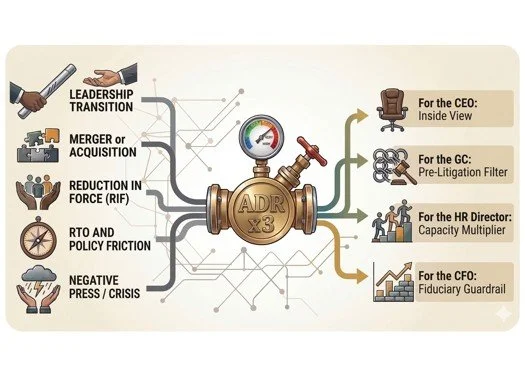
The Strategic Safety Valve
Outsourced Organizational Ombuds is the only neutral, confidential, and informal mechanism capable of preserving deal value and institutional knowledge during high-stakes transitions such as leadership succession, M&A, RIF, RTO, or a press crisis. How to prepare before organizational pressure spikes.

Trust-based Leadership
Trust is built through consistent behavior, especially in moments of uncertainty and challenge. This paper outlines ADRx3’s perspective on trust-based leadership and provides a practical framework for embedding trust into leadership behavior, organizational systems, and everyday interactions.
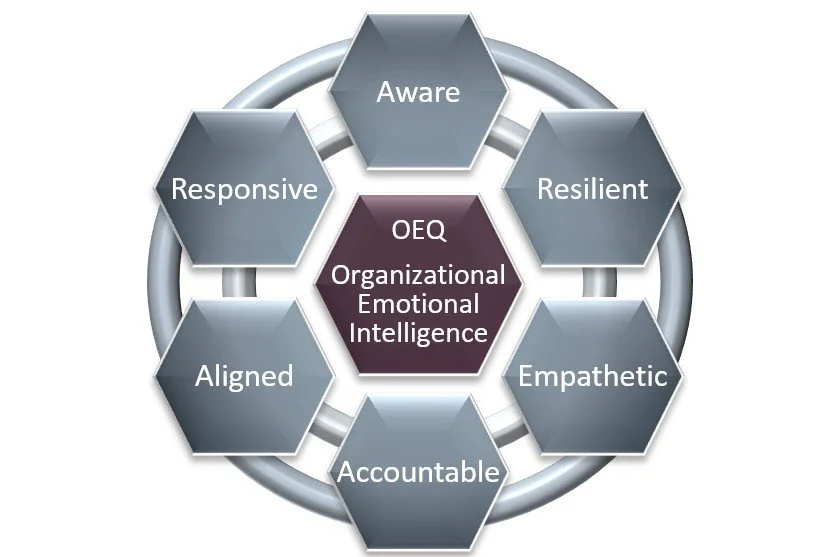
Using Data to Optimize Organizational Emotional Intelligence (OEQ)
A data-informed framework for OEI analysis uses behavioral and operational signals already present inside organizations to identify emerging emotional risk before it becomes dysfunction. By integrating behavioral, HR, workflow, and engagement indicators, organizations can shift from reactive culture repair to predictive governance of emotional risk.
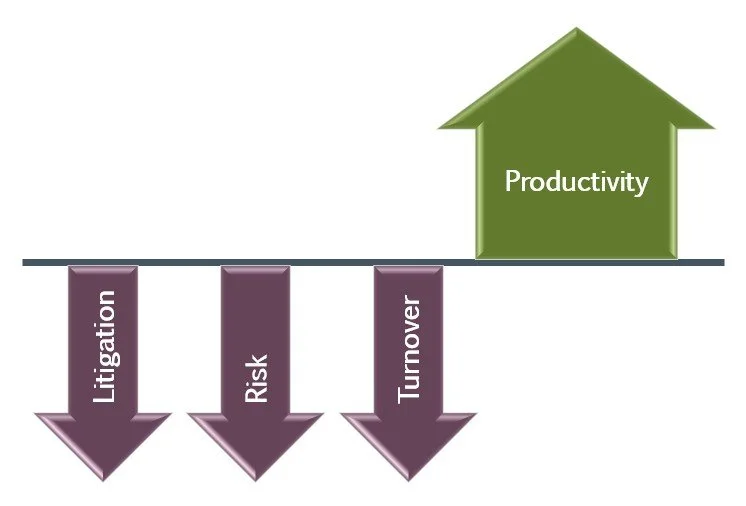
The Business Case for an Outsourced Ombuds
Organizational ombuds programs deliver measurable value by fostering trust, resolving conflict early, and surfacing systemic issues. Outsourcing the ombuds function amplifies these benefits by reinforcing independence, credibility, flexibility, and access to specialized expertise. An outsourced ombuds is not merely a support function, it is a strategic investment in organizational health, governance, and long-term performance.
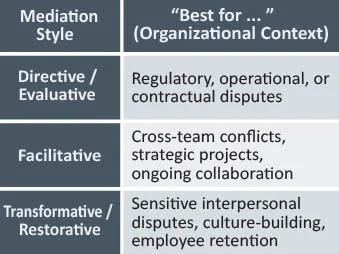
Mediation as a Strategic Leadership Capability
Mediation is a leadership tool, not just a procedural step. Organizations that leverage mediation strategically can turn conflict into alignment, innovation, and long-term organizational resilience. Leaders who understand and champion mediation strengthen culture, trust, and performance across the enterprise.

Case Study: Managing Conflict and Culture Change in an Urban Transit System
Change means becoming different, but without cultural alignment, even the best vision can falter. This white paper identifies opportunities to actively transform leadership practices, work processes, and people strategies, to achieve meaningful, sustainable organizational