

How the World Cup Proves Internal Fixes Fail
7/5/2026
The Balogun red card ban suspension highlights a critical lesson for both international sports and corporate governance: when an organization serves as its own judge and jury, the resulting decisions often face intense scrutiny.

The Workplace Engagement Gap
7/1/2026
When only one in five employees is fully engaged, organizations should ask an important question: Is this primarily an employee problem, or is it a workplace problem?

Five Early Warning Signs of a Toxic Workplace Culture
6/28/2026
Organizations perform at their best when people feel respected, heard, and empowered. By identifying cultural risks early and responding proactively, leaders can build workplaces that attract top talent, retain high performers, and support lasting organizational success.
Being Heard Is Not the Same as Getting Your Way
6/19/2026
Employees do not need to get their way to feel respected. They need to feel heard. Organizations perform best when employees trust that their voices matter, even when leadership ultimately chooses a different path.

HR Team Overloaded? A Neutral Resource Can Help
6/12/2026
Conflict is inevitable in any workplace. Escalation is not. Organizations that provide trusted channels with neutral support for employees to raise concerns often find that issues are addressed more quickly and constructively.

Best Practices for Culture Recovery
6/5/2026
Culture does not automatically reset after disruption. It must be rebuilt intentionally, and organizations that prioritize trust, communication, and early conflict resolution are better positioned to recover and thrive.

Why Employees Don't Report Problems
6/1/2026
Leaders should regularly evaluate not only whether reporting channels exist, but whether employees genuinely trust them. The gap between availability and trust is often where organizational risk grows unnoticed.

Organizational Ombuds in Healthcare
5/29/2026
Hospitals and healthcare networks dedicate enormous resources to patient care, compliance, and operational performance. Investing in an organizational ombuds demonstrates an equal commitment to the people who make healthcare possible every day.

Ombuds Help Preserve Psychological Safety During AI Transformation
5/26/2026
AI transformation is not only a technology challenge. It is a people challenge. Organizations that invest in psychological safety and trusted communication channels today will be better positioned to navigate change successfully tomorrow.

Creating a More Civil Workplace
5/19/2026
Uncivil behavior in the workplace quietly drains productivity, increases absenteeism, damages morale, and weakens workplace relationships every single day. Organizations that invest in respectful communication, accountability, and trusted conflict resolution resources are far more likely to retain talent, strengthen teamwork, and improve overall performance.
EEOC Charges Remain Elevated
5/16/2026
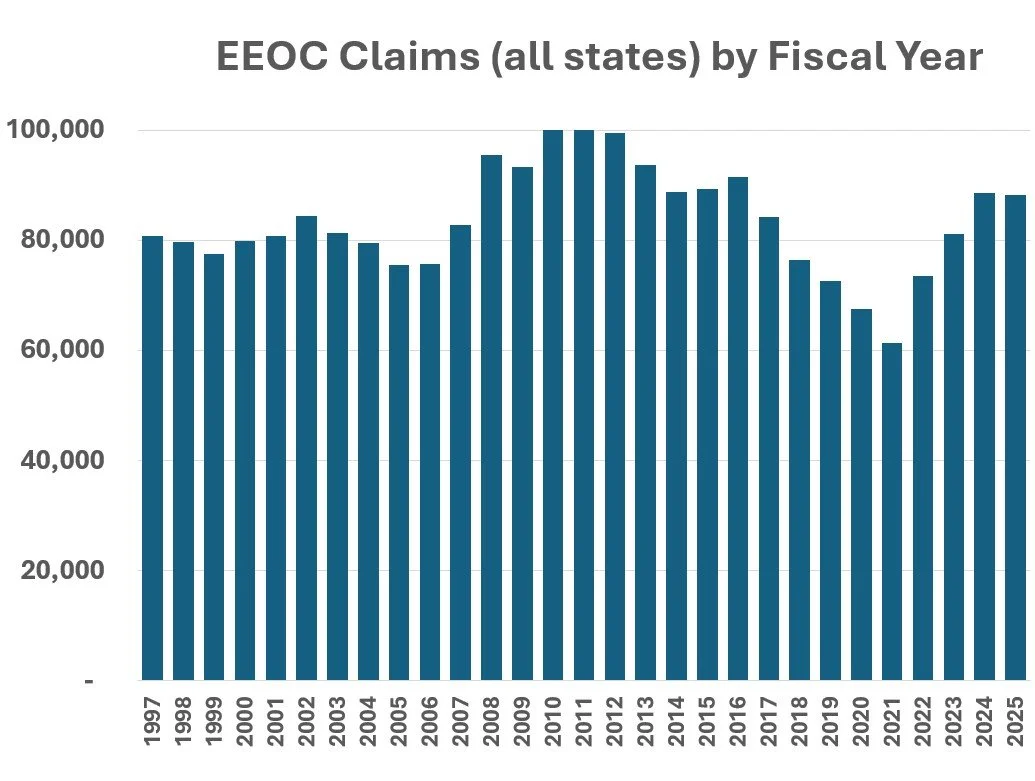
EEOC charges have increased approximately 44% since FY 2021, signaling that employee concerns and the likelihood of formal escalation remain elevated. EEOC charges are often lagging indicators of deeper workplace issues: unresolved conflict, ineffective communication, low trust in reporting channels, or concerns about retaliation.

Why Organizations Need Dissenting Opinions
5/10/2026
In healthy workplaces, dissenting opinions are not treated as threats to authority or obstacles to progress. They are recognized for what they really are: critical information. When employees feel safe enough to question assumptions, challenge decisions, or raise concerns, organizations become more resilient, ethical, and innovative

Why Listening Skills Matter at Work
4/20/2026
When people feel heard, they contribute more. They share ideas earlier. They raise concerns before problems grow. Leaders who listen well build trust faster, make better decisions, and handle conflict with less friction. Listening supports collaboration, innovation, and psychological safety in a way few other skills can.

When Performance and Behavior Collide
4/13/2026
Workplace bullying is often imagined as overt, unmistakable misconduct. In reality, it frequently emerges in complex, high-pressure environments where strong personalities, hierarchy, and stress collide.
Culture as Capital: Why Enlightened Nonprofits Use Ombuds Services
4/10/2026
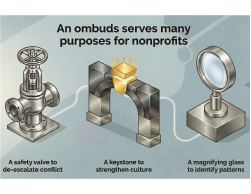
When workplace issues reach the Board, the organization is no longer managing a concern, it's managing exposure. Discover why proactive nonprofit leaders are using outsourced Ombuds services as a safety valve to de-escalate conflict, a keystone to strengthen culture, and a magnifying glass to identify patterns.

Using AI to Prepare for Real Conversations
4/6/2026
AI-powered roleplay is an effective way to practice difficult conversations before they happen. Whether you are preparing for a performance review, navigating a tense relationship discussion, or working through a team disagreement, AI can help you rehearse, reflect, and refine your approach.

Navigating Political Tension in the Workplace
3/30/2026
Political tension in the workplace is not new, but in recent years it has become harder to avoid and harder to manage. The long-standing advice to “leave politics at the door” often breaks down when employees feel deeply impacted by decisions made at the highest levels of government. For many, these issues are personal, emotional, and closely tied to identity, safety, and values.

Conflict is a Leading Indicator of Risk, but Most Conflict is Hidden
3/23/2026
Workplace conflict is rising in the U.S., but most of it never reaches HR or legal teams. Retaliation, harassment, and bullying claims represent only a fraction of documented incidents, yet more than 50 million Americans report being bullied at work. Hidden conflict is a leading indicator of potential litigation and cultural damage.

From AI Anxiety to Organizational Trust
3/18/2026
For HR directors navigating AI transformation, the question is not whether employee concerns will arise. It is how effectively those concerns will be heard and addressed. An outsourced ombuds strengthens organizational trust, enhances communication, and equips both employees and leadership to engage with change constructively.

Conflict Resolution Training: A Competitive Edge for Graduates
3/13/2026
In a competitive job market, small advantages can make a significant difference. Conflict resolution training provides students with practical skills that enhance communication, teamwork, emotional intelligence, and leadership potential. For employers seeking candidates who can strengthen workplace relationships and contribute to a collaborative environment, applicants with this training represent a valuable and forward-thinking choice.